 Sicily Mount Etna Tours
When to Visit Mount Etna
The best time to visit Mount Etna for most travellers is May, June, September and October, when trails are open, skies are usually clear and the summer crowds have thinned or not yet arrived. Summer brings the longest days and the easiest access but the fullest car parks, while winter turns the upper slopes into a snow mountain that you experience very differently. This page breaks the year down month by month, explains the snow season, the wind and the morning light, and shows how the seasons change what a tour can deliver. Every Mount Etna tour compared on one page](/) sits behind this advice, so once you know when you are going you can match a listing to the window. Weather on a volcano is never a promise, and Etna writes its own rules, so this guide also covers how to check activity status before you commit. Read it, pick your month, then pick your route up.
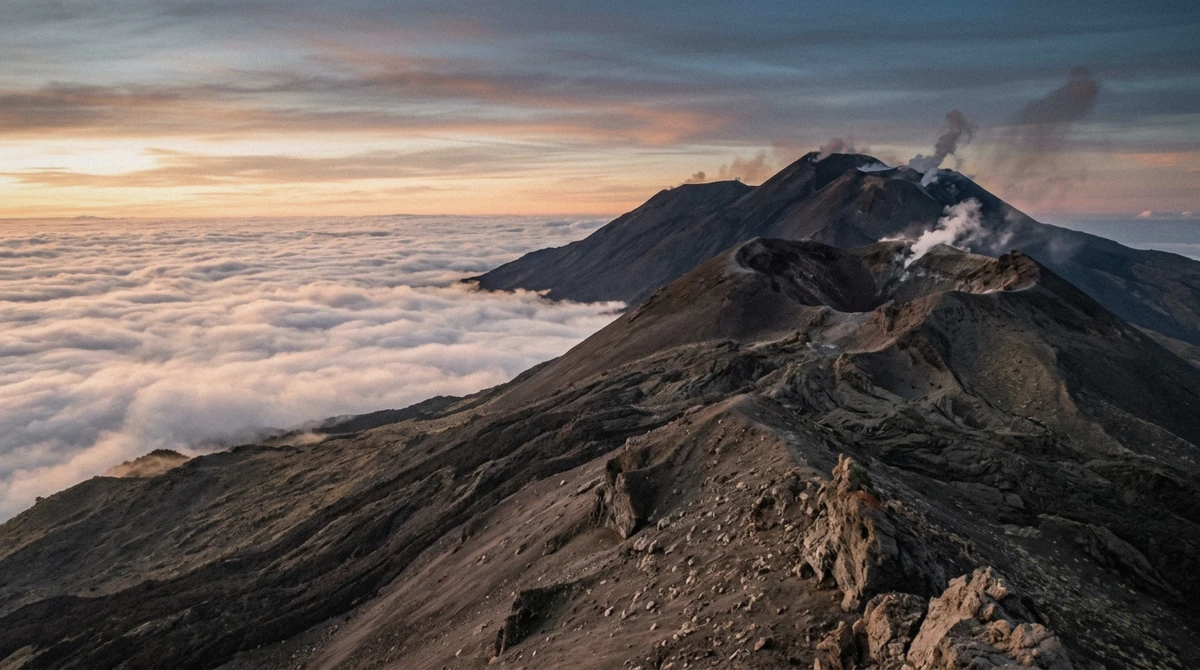
Quick answer May, June, September and October give the best mix of clear skies, open trails and manageable crowds
The best time to visit Mount Etna is late spring and early autumn, with May, June, September and October the strongest months. Days are long enough, skies are often clear, and trails below the guide line are walkable without snow gear. July and August work too but car parks fill early and afternoon heat is real. Winter is a different trip, with snow on the upper slopes and snowcat access instead of the summer cable car. Whatever the month, check volcano status and the mountain forecast the evening before, because summit routes can close at short notice.
Key takeaways
- Aim for May, June, September or October for the best balance of weather, daylight and quiet trails.
- In summer start early, since parking at Rifugio Sapienza fills by late morning in July and August.
- For what to pack in any season, see What to Wear on Mount Etna: The Layer System That Works.
The Short Answer
May, June, September and October are the months that suit the most people. Trails are open, the cable car runs to its summer schedule, and the light is good for most of the day. You can walk the marked routes on both sides of the mountain without snow gear, and you can join a guided summit walk above the 2,900 metre line if conditions allow.
July and August are the busiest months. The weather is at its most stable and the days at their longest, which suits anyone tied to school holidays. The cost is congestion: parking at Rifugio Sapienza is paid and fills by late morning in these months, and the midday sun on black lava is fierce.
Arriving before 9:30 am keeps both a parking space and the clear-sky window.
Winter, roughly December to March, reshapes the visit. Snow covers the upper slopes, the upper leg of the cable car runs as a snowcat instead of a bus, and the day shortens. Skiers use the north side, and walkers stick to lower routes.
Spring and autumn are the quiet trade, with fewer people and more variable weather, and they reward travellers who can move their plans around a forecast.
For a broader view of routes and starting points across the year, see How to Get to Mount Etna: Routes, Roads and Bases.
The Months at a Glance
The table below condenses the year into the four things that actually decide a visit: trail conditions, crowd pressure, what the summit trip looks like and whether the month suits a first timer. Use it as a filter, not a rulebook. A stormy June can beat a clear February for some travellers and the reverse for others.
| Months | Upper slopes | Crowds | Best for | Watch out for |
|---|---|---|---|---|
| May | Snow retreating from high routes | Moderate | First visits, wildflowers, clear air | Lingering snow above 2,500 m |
| June | Open, cable car on summer pattern | Moderate | Long days, all routes walkable | Afternoon wind on the summit |
| July | Dry and dusty | Heavy | School holidays, longest days | Car parks full by late morning |
| August | Dry and dusty | Heavy | Families, stable weather | Midday heat, full car parks |
| September | Open and settled | Easing | The classic window | Shorter evenings from mid month |
| October | Open, first dustings late | Light | Quiet trails, clear views | Shortening days, first cold snaps |
| November | Cold, unstable | Very light | Solitude, lower routes | Weather windows close fast |
| December to March | Snow above mid altitude | Light | Snow trips, north side skiing | Snowcat not cable car, short days |
| April | Snow clearing | Light | Shoulder value, greening slopes | Changeable conditions |
Prices in the catalog listings are stated in dollars with local figures where the operator gives them, for example the summit cable car and 4x4 combo listed on this site at Etna Summit Excursion to 3,000 Meters by Cable Car and 4x4 from $63.73. Season does not usually change the ticket price, it changes availability and how early you need to book. the official listings stay the final word
Summer: Long Days, Full Car Parks
Summer is when the mountain is at its most accessible. The cable car runs from Rifugio Sapienza at 1,920 m to a station at 2,500 m, and from there the upper leg to about 3,000 m runs as a 4x4 bus with a volcanological guide, as required above roughly 2,900 m by regional law. Below the guide line anyone can walk the marked routes, and in July the evenings stay light long enough for a full day on the slopes.
The cost of the good weather
The trade is people and heat. Parking at Rifugio Sapienza is paid and fills by late morning in July and August, and the same pattern repeats on the north side at Piano Provenzana. A 28C afternoon in Catania can meet an 8C wind on the slopes at 2,000 m, and the summit zone is colder again and almost always windy, so the season is warm only at the bottom.
If you are based in Taormina and want to beat both the traffic and the car park rush, a morning departure does the job, as with the Mount Etna Half-Day Small-Group Tour from Taormina, a six hour listing rated 4.91 from 690 reviews. From Catania, the Catania Morning Jeep Tour: Mount Etna and Lava Flow Caves runs 5.5 hours and adds lava flow caves to the morning. Sunset is the other summer trick, since the heat drops and the light turns, which is the appeal of the Etna Sunset Tour from Catania, rated 4.95 from 297 reviews.
Winter: Snow, Skis and Short Days
From roughly December to March the upper mountain is a snow landscape. The upper leg of the cable car system switches from a 4x4 bus to a snowcat, which changes both the pace and the character of a summit trip. The north side at Piano Provenzana, about 1,810 m and reached through Linguaglossa, is the ski side, while the south side keeps a walking and snowcat offer at lower intensity.
What still works in winter
Lower routes stay walkable on normal winter days, and the drive up remains the same: about 45 minutes to an hour from Catania to Rifugio Sapienza through Nicolosi. Short days are the real constraint. Plan to be off the mountain by mid to late afternoon, and build in flexibility, since weather windows in winter open and close quickly.
Cold on the slopes is not a niche detail, the temperature gap between Catania and 2,000 m is a same-day reality, and the summit zone is colder again.
Winter also brings the snow version of the summit experience, which some travellers prefer to the dusty summer crater ring. If that appeals, read the breakdown of how the lift system changes with the seasons in Etna Cable Car: How It Works, What It Costs, Is It Worth It.
Spring and Autumn: The Quiet Trade
May, June, September and October are the months this page leads with, and for good reason. Trails are open on both sides, the cable car runs its summer pattern, and crowd pressure is moderate rather than heavy. Spring adds clear air and greening slopes as the snow retreats, autumn adds quieter trails and stable early-season weather before the first cold snaps arrive.
Why the shoulder months suit first timers
A first visit usually means one shot at the mountain, so you want conditions that forgive a slightly imperfect plan. In the shoulder months the marked routes below 2,900 m are walkable, a guided summit walk to about 3,000 m is realistic when the forecast holds, and you are not racing for a parking space at 8 am. The full day option Mount Etna 3,000 m Summit Hike with Volcanology Guide fits this window, as does the cable car and 4x4 combo Etna Summit Excursion to 3,000 Meters by Cable Car and 4x4, rated 4.71 from 689 reviews.
Autumn also suits travellers who want more than the crater ring in a day. The From Catania: Mount Etna Trek, Lava Cave and Tasting Tour runs seven hours, pairs a walk and a lava cave with a tasting stop, and is rated 4.8 from 694 reviews. The eastern slope adds its own reasons to linger, including Sant'Alfio and the Castagno dei Cento Cavalli, a chestnut tree classed as the oldest and largest in Europe.
Time of Day: Why Mornings Win
Whatever the month, morning is the reliable slot. Cloud builds on the mountain as the day warms, so the clearest crater views come early, and in July and August the car parks back this up by filling before late morning. Arriving before 9:30 am keeps both the space and the clear-sky window.
The morning pattern
From Catania the drive to Rifugio Sapienza takes about 45 minutes to an hour, and from Taormina about 1 hour 15 minutes on the A18, so a sunrise start is a normal alarm rather than a heroic one. Morning tours are built around this, which is why so many listings on the [Mount Etna tours comparison start before or near nine.
- Clearest views: the crater ring is most often visible before the midday cloud builds.
- Easiest parking: the Rifugio Sapienza lots fill by late morning in July and August.
- Cooler walking: black lava radiates hard in the afternoon sun at any time of year.
- Weather margin: forecasts are most reliable on a short horizon, and mornings give you room if a plan changes.
Sunset is the honest exception. The Etna Sunset Tour from Catania exists because the evening light on the summit and the cooling air can be worth the trade, and in high summer the heat argument is strong. If you only have one day, take the morning.
If you have two, do both.
The Volcano Factor: Checking Status Before You Go
Etna is one of the most monitored volcanoes on Earth, and that monitoring is what keeps visits safe rather than what should worry you. The Catania section of INGV publishes activity updates, and summit routes or the cable car close at short notice when activity rises. Italy's civil protection keeps the volcano at the yellow, lowest alert level, with day-to-day restrictions possible.
The legal line at 2,900 metres
Sicilian regional law 28/1996 sets the hard rule: above roughly 2,900 m you may walk only with a certified alpine or volcanological guide. Below that line anyone can walk the marked routes, and entry to the trails is free at both Rifugio Sapienza and Piano Provenzana. You pay for the cable car, the 4x4 buses and guides, not for the mountain.
How to check before you commit
Reliable forecast points are Rifugio Sapienza, Crateri Silvestri and Torre del Filosofo on the south side, and Piano Provenzana and Pizzi Deneri on the north. Forecast reliability drops beyond about three days, so check the evening before rather than a week out, and treat any closure notice as final for that day. If your summit day is cancelled, the lower routes and the lava caves still run, and the Catania Morning Jeep Tour: Mount Etna and Lava Flow Caves is one listing that works in almost any status.
How Much Time You Actually Need on the Volcano
Half a day is enough for a first look. Six hours covers the drive up, a walk on the marked crater routes and the drive back, which is the shape of the Mount Etna Half-Day Small-Group Tour from Taormina. A five to six hour evening slot works the same way for sunset.
Half day versus full day
A full day is what the summit deserves. The cable car, the 4x4 leg and a guided walk to about 3,000 m add up to four to five hours on the mountain in the listing Etna Summit Excursion to 3,000 Meters by Cable Car and 4x4, and a hiking day with a volcanology guide runs longer still. Add the drive and you are committing most of a day, which is exactly right.
| Trip type | Typical duration | What it covers | Suites |
|---|---|---|---|
| Half day from Taormina | 6 hours | Transfer, crater walk on marked routes | First look, tight schedules |
| Morning jeep from Catania | 5.5 hours | Slopes plus lava flow caves | Morning people, mixed groups |
| Summit by cable car and 4x4 | 4-5 hours | Lift to 2,500 m, guided walk to about 3,000 m | Summit without a full hike |
| Full day summit hike | Full day | Guided hike with a volcanology guide | Fit walkers, the deep visit |
| Trek, cave and tasting | 7 hours | Walk, lava cave, tasting stop | Slow days, food interest |
| Sunset from Catania | 5-6 hours | Evening light on the slopes | Second visit, summer heat escape |
If you are weighing the whole trip against other Sicily plans, the plain verdict lives in Is Mount Etna Worth It? An Honest Verdict.
Where to Base Yourself for an Early Start
Catania is the practical base for most visitors. The drive to Rifugio Sapienza runs about 45 minutes to an hour through Nicolosi, which makes a pre-9:30 am arrival straightforward, and the city also anchors the widest choice of listings. Taormina works nearly as well, with about 1 hour 15 minutes to the south side and about 1 hour to Piano Provenzana on the north, which is a real advantage if the north side suits your day.
Comparing the bases
From Messina, count about 50 minutes on the A18 to the Taormina exit and continue as from Taormina. From Syracuse, the A18 Catania beltway adds roughly an hour to the Catania times. From Palermo, count about 3 hours by road to the south side via the A19, which puts Etna firmly in the overnight-stay category rather than a day return.
- Catania: shortest drive to the south side, most tour departures, best for mornings.
- Taormina: balanced between both sides, strong half day options, resort comfort.
- Nicolosi or Linguaglossa: on the mountain's doorstep, quietest early starts, fewest services stated.
- Messina or Syracuse: workable with a tour transfer, long self-drive days.
- Palermo: too far for a comfortable day trip, plan a night east.
Public transport is thin: a seasonal bus link between Catania and Rifugio Sapienza runs in the high season only, so a rental car or a tour is the dependable way up in any month. For the full route picture, see Taormina to Mount Etna: Every Way Up the Volcano.
The Shoulder Weeks Regulars Actually Pick
Ask guides when they would take their own holiday on the volcano and the answer clusters in two short windows: the second half of May and the stretch from mid-September to mid-October. The upper mountain is open, the summer coaches have not arrived or have gone, and the light over the Ionian coast makes the crater photos work without haze.
The trade-offs are practical rather than dramatic. In the shoulder weeks the cable car runs a reduced timetable on some days, and a cold front can still close the upper section for a morning. The compensation is space: the Silvestri crater paths carry individuals instead of queues, and the car parks at Rifugio Sapienza still have space at nine.
Winter breaks the pattern in a way that surprises first-timers. Snow settles on the upper slopes from December, the north side opens its ski lifts, and the volcano becomes a winter-sports day a few kilometres from the sea. Summit walking belongs to the guided snowcat groups then, and the half-day crater walks run on cleared lower routes.
Reading the Status Before You Commit
The volcano publishes its mood. The observatory's updates describe activity levels, the civil protection level sits at yellow, the lowest tier, most of the time, and the cable car's channels announce whether the upper section runs. Reading all three takes minutes and turns a gamble into a plan.
What closes a day: eruptive episodes at the summit craters, ash on the upper routes, strong wind at the cable-car stations, snow on the walking tracks. What rarely closes a day: the gentle background degassing Etna carries on with between episodes, and the small tremor fluctuations that make headlines without touching the tourist zones.
Build the trip so the volcano has two chances. Travellers who put the crater day early in the week and keep a spare day flexible see the summit far more often than those who bet everything on a single afternoon, and the free cancellation window makes the swap costless.
Festivals, Holidays and the Crowd Calendar
Two crowd waves have nothing to do with weather. Italian holiday weeks around Easter and the Ferragosto break in mid-August fill the south side with domestic visitors, and the school-free weekdays of June run busy long before the official peak. If your dates are fixed inside those weeks, the north side absorbs crowds better, and the early starts matter twice as much.
The quiet calendar has its own markers. The vineyard villages quiet down after harvest in October, the ski towns wake with the first reliable snow, and the weeks between the two, usually November, are the volcano's own off-season, when the cable car runs a reduced week and the trails belong to locals and the rain.
Best Time To Visit Mount Etna Questions, Answered
How much time do you need for Mount Etna?
Half a day covers the crater zone on a guided half day, a full day covers the summit zone, and the drive up takes an hour or more from either coast. Build the day around a morning on the mountain and keep the afternoon for the coast.
Is an Etna cable car worth it?
In clear morning weather, yes: it lifts you to 2,500 m and saves about two hours of scree, and the combo with the 4x4 and guide reaches about 3,000 m. In wind or haze it shuts with little notice, which is why the morning window matters.
Can I visit Etna by my own car?
Yes. Both access roads are paved and the trails below 2,900 m are free, so a rental car plus the Silvestri craters walk is a fine self-drive day. Parking at Rifugio Sapienza is paid and fills by late morning in summer.
Where are the best places to stay when visiting Mount Etna?
Catania suits visitors without a car thanks to tour departures, Taormina suits the half-day rhythm, and Nicolosi or Linguaglossa put you at the trailhead gate before the coaches arrive.
What is the rainiest month on Etna?
Late autumn and the November rain weeks are the least reliable; the upper cable-car leg runs only in decent weather, so shoulder your plans around the forecast points rather than the calendar.